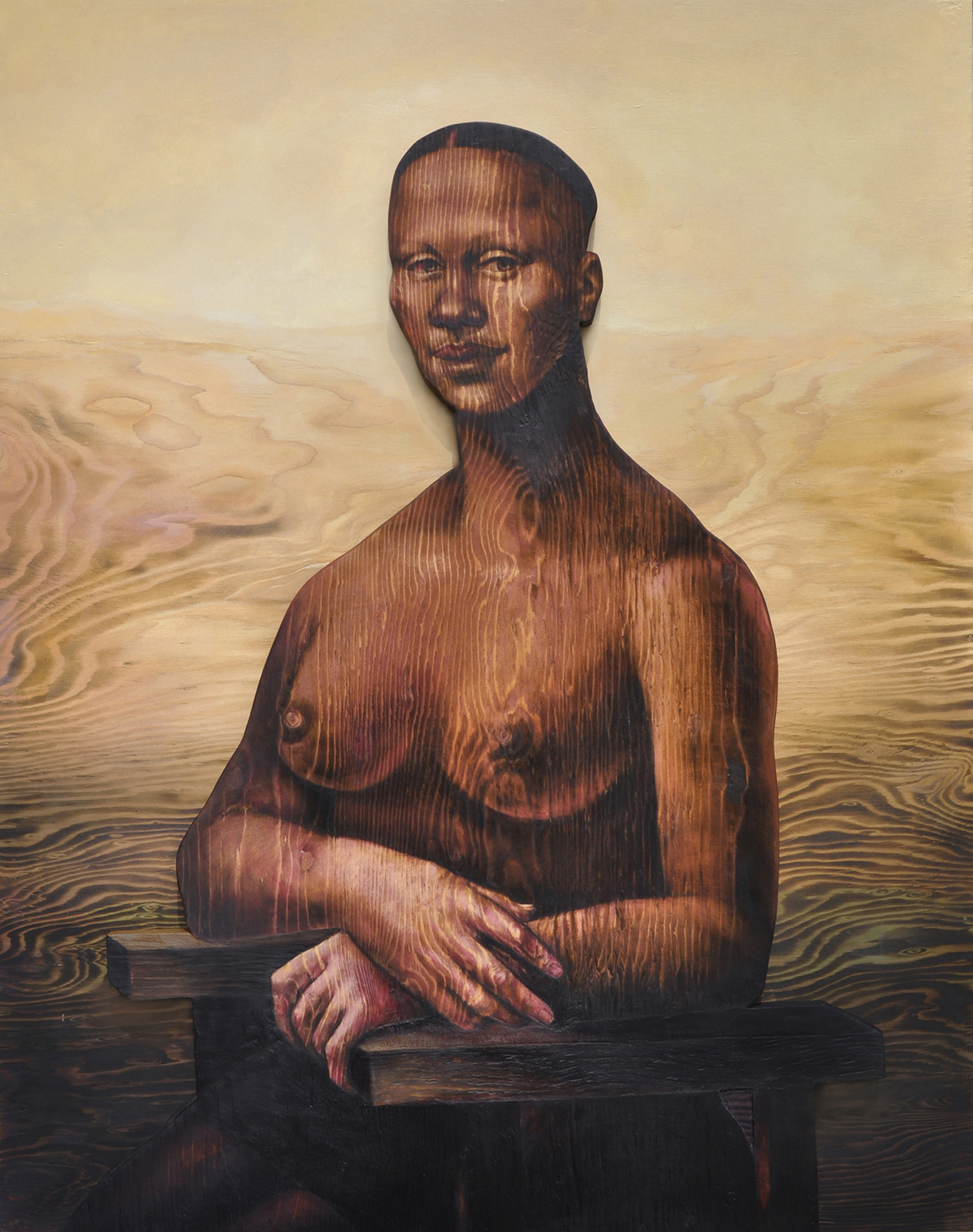
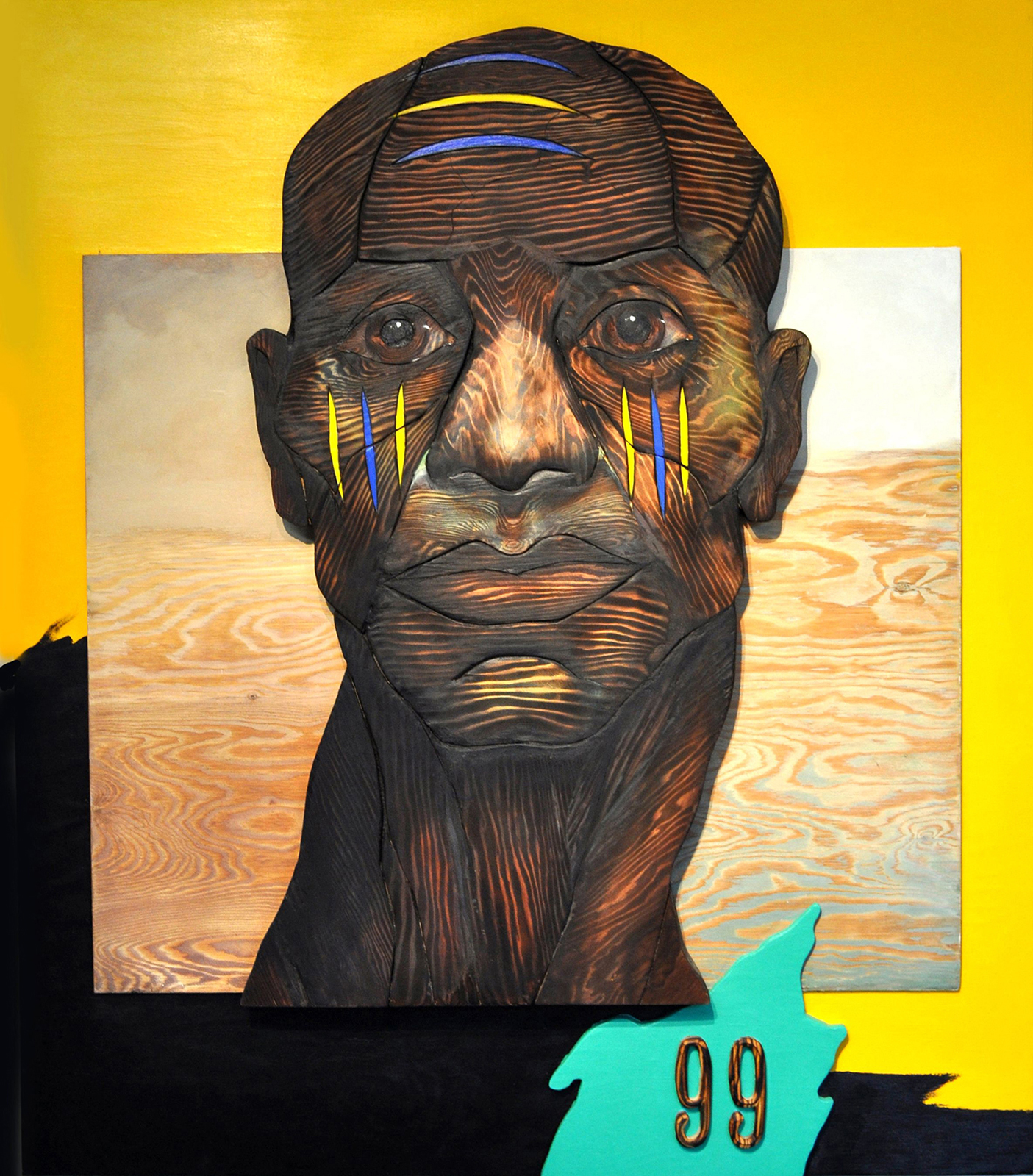
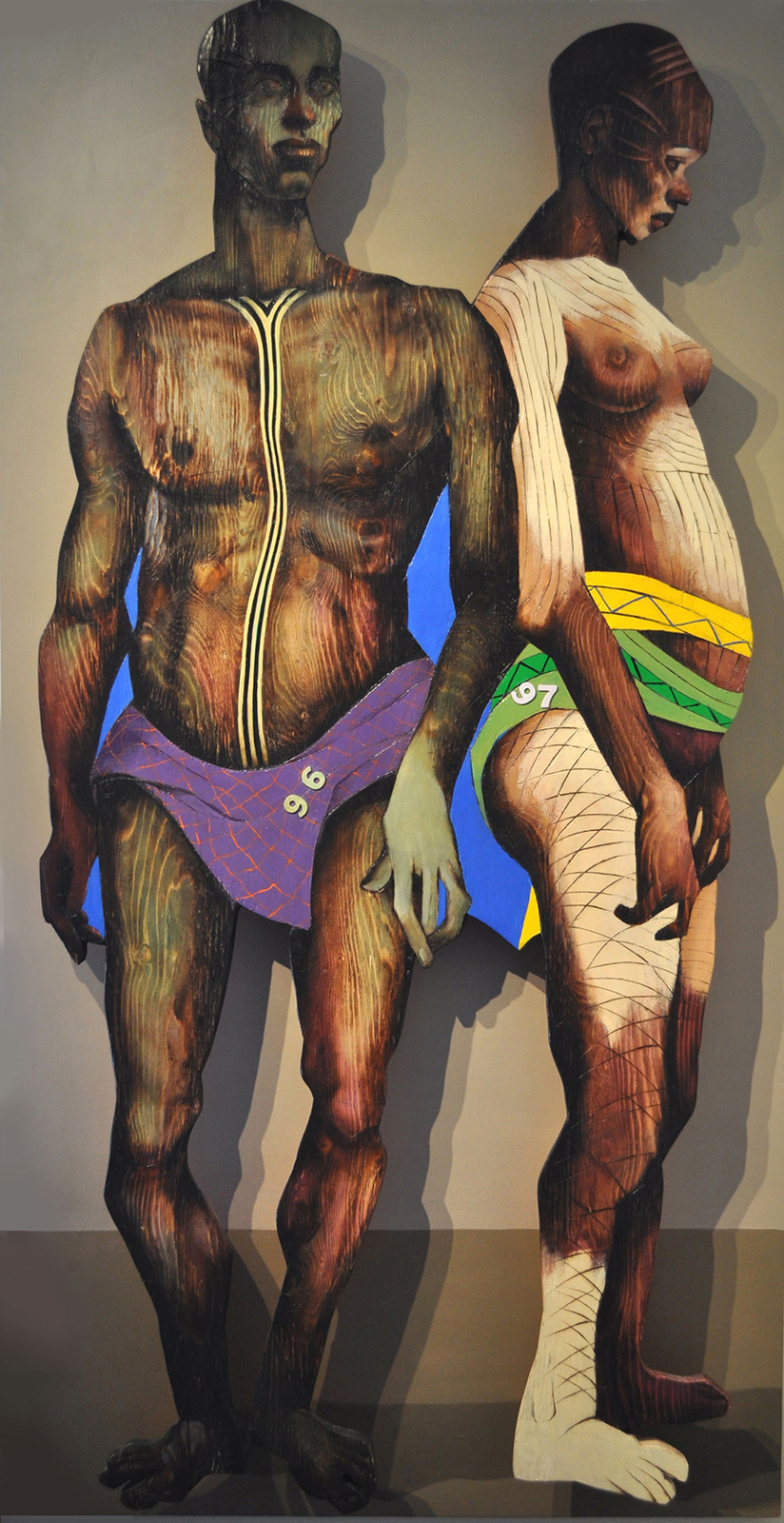
Cartographies of Absence (2009)
Cartographies of Absence reflects on the fragile threshold between survival and disappearance, inspired by the devastation of the 2004 Indian Ocean tsunami, particularly in the Andaman and Nicobar Islands, home to some of the world's most ancient tribal communities. The loss experienced there was not only human but cultural, where entire ways of life, languages, and histories risk vanishing forever. As poet Yevgeny Yevtushenko wrote, "Not people die but worlds die in them."
In this series, tribal figures emerge as both presence and trace, metaphors for identities on the brink of erasure. Their vibrancy contrasts with a sense of fragility, pointing to the tension between endurance and extinction. While natural disasters may trigger such loss, the work also reflects on human neglect and emotional detachment as contributing forces.
This series questions the notion of progress, urging reflection on what is lost in its pursuit. It positions art as a space for witnessing, remembrance, and critical awareness of cultures and histories at risk.